Skip to content
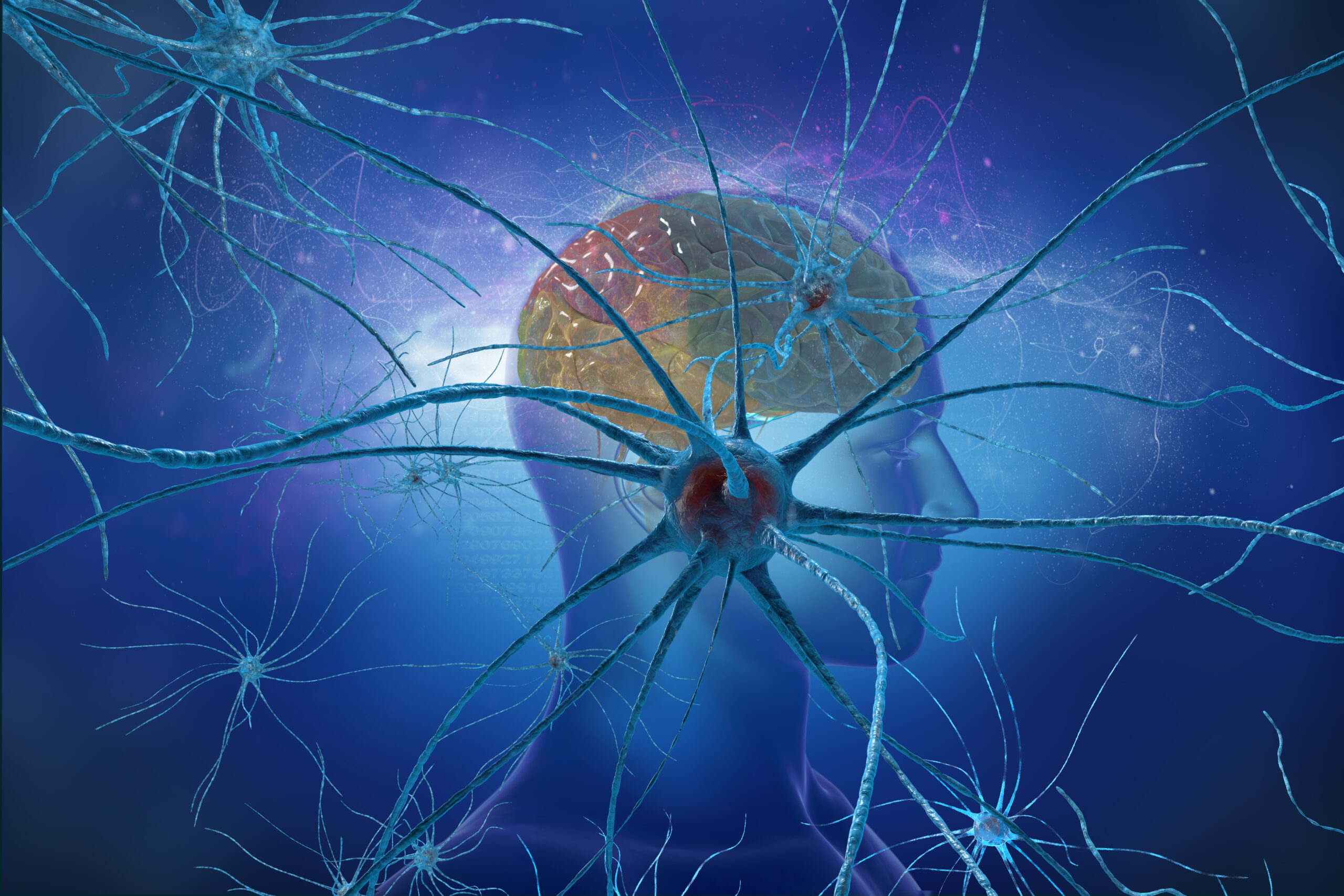
brain-and-neurons-illustration

Building Better Brains With Dr. David Haase: The Guide to Optimal Cognitive Health

Are you ready to take charge of your health? Schedule your free 20-minute discovery call with our New Patient Coordinator to see how you can become a patient at MaxWell Clinic and start your healing journey today.


Introduction: The Guide to Optimal Cognitive Health

In today’s fast-paced world, taking care of our cognitive well-being is more crucial than ever. With an increasing number of individuals reporting concerns like memory loss, brain fog, and focus issues, the spotlight is now on understanding and enhancing brain health. If you’re someone who’s noticed these symptoms or have a family history of cognitive issues or Alzheimer’s, this guide is tailored for you.


Understanding Brain Health: More Than Just Memory

When we think of brain health, the immediate association is often with memory. However, cognitive well-being spans much more than just our ability to recall names or events. It encapsulates various facets, including focus, processing speed, and the ability to reason and make decisions.

The symptoms you might experience, from forgetfulness to word recall problems, are merely signals that your brain is sending. Recognizing these signals early on is the first step toward “building a better brain”.


The Risks of Overlooking Cognitive Decline and the Power of Early Detection

While cognitive challenges might seem minor or fleeting at first, neglecting these early signs can lead to significant implications. Contrary to popular belief, it’s not only the elderly who are at risk of severe conditions like dementia or Alzheimer’s. Daily stress, dietary habits, genetics, and other factors can have a cumulative impact on our brain’s vitality at any age. 

Ignoring symptoms such as persistent brain fog, forgetfulness, or word recall difficulties is like turning a blind eye to warning lights on a dashboard. On the flip side, the benefits of early detection are manifold. It not only paves the way for targeted interventions and strategies but also enhances the chances of slowing, halting, or even reversing some cognitive concerns. By catching and addressing these issues head-on, we can significantly improve our prospects for long-term cognitive health.


Building Better Brains: The Importance of Assessment

Just as a regular health check-up gives us insights into our physical well-being, understanding where our brain health stands is paramount. This is where the role of a comprehensive evaluation becomes indispensable.

MaxWell Clinic’s Cognitive Health Evaluation is tailored to offer a deep dive into your cognitive functions. This isn’t just another brain test. It’s a holistic approach to understanding the unique intricacies of your mind and charting a course for optimal health.


Why MaxWell Clinic’s Cognitive Health Evaluation Stands Out

Several factors make our evaluation stand out in the realm of brain health:

Holistic Approach: Beyond just memory tests, our evaluation offers insights into various aspects of cognition, including attention span, processing speed, and more.

Tailored Recommendations: Post-evaluation, you receive actionable strategies that cater to your unique brain profile, ensuring targeted improvements.

Expertise and Experience: With a rich legacy in addressing cognitive concerns, our experts bring a blend of experience and innovation to every evaluation.


Embracing a Future with a Healthy Brain

Brain fog, memory slips, focus issues – these aren’t just problems. They’re signals. And with the right guidance, tools, and evaluations, they can be addressed effectively. 

As we move towards a future where cognitive health is paramount, let’s pledge to prioritize our brain’s well-being. After all, “building better brains” isn’t just about improving memory; it’s about ensuring a quality life, filled with clarity, focus, and joy.

If you or a loved one resonate with any of the concerns mentioned, consider MaxWell Clinic’s Cognitive Health Evaluation as the first step towards building a healthier, happier brain.


Schedule a free information call with our Cognitive Health Evaluation Specialist today to learn more. Or if you prefer, you can text the word BRAIN to 615-370-0091. We’re ready to assist you!

Hidden

This blog provides general information and discussions about health and related subjects. The information and other content provided in this blog, website or in any linked materials are not intended and should not be considered, or used as a substitute for, medical advice, diagnosis or treatment. This blog does not constitute the practice of any medical, nursing or other professional health care advice, diagnosis or treatment. We cannot diagnose conditions, provide second opinions or make specific treatment recommendations through this blog or website.

If you or any other person has a medical concern, you should consult with your health care provider or seek other professional medical treatment immediately. Never disregard professional medical advice or delay in seeking it because of something that you have read on this blog, website or in any linked materials. If you are experiencing a medical emergency, please call 911 or call for emergency medical help on the nearest telephone immediately.

Recommended Posts for you

Mother supporting her daughter after sudden behavior changes

PANDAS Disease: Symptoms and Treatment Options

PANDAS disease and related PANS can raise difficult questions for families facing sudden changes in a child. This guide discusses symptoms, evaluation, and treatment options, including plasma exchange.
Read More →
Myasthenia gravis treatment options

Myasthenia Gravis Treatment

There is no single "right" MG treatment. There's the right one for you. See how subtype, antibodies, and thymus findings shape a personalized plan, from first-line therapies to advanced options.
Read More →
Myasthenia gravis diagnosis testing process

Myasthenia Gravis Diagnosis

Fluctuating symptoms make myasthenia gravis a master of disguise. Learn how neurological exams, antibody testing, and electrodiagnostics come together to finally put a name to the weakness.
Read More →
Myasthenia gravis symptoms with fluctuating muscle weakness

Myasthenia Gravis Symptoms

Strong this morning, struggling by evening? That rise-and-fall pattern is MG's signature. Discover the early warning signs, from drooping eyelids to fading strength, and when to seek help.
Read More →
Myasthenia gravis neuromuscular junction illustration

Myasthenia Gravis

When your immune system interrupts the conversation between nerve and muscle, weakness follows. A clear, complete guide to myasthenia gravis: what causes it, who it affects, and why treatment brings real hope.
Read More →
Hand placing a puzzle piece into a head silhouette to represent memory changes and early brain health concerns

Early Cognitive Impairment: Why Waiting Limits Your Options

Noticing changes in a parent, partner, or loved one can be deeply unsettling. Missed appointments. Repeated stories. Trouble finding words. Mood shifts. Small moments that add up and leave you wondering if something deeper is happening.
Read More →
Active adult holding knee after steroid injection pain returned

Why Knee Pain Often Returns After a Steroid Injection and What Active Adults Should Do Next

Knee pain often returns after a steroid injection because the medication reduces inflammation but does not repair the underlying tissue injury. As the steroid wears off, inflammation may return if ligament strain, cartilage wear, or joint instability is still present.
Read More →
PRP vs Cortisone Shot

PRP vs Cortisone Shot for Joint Pain: How to Choose the Right Next Step

If joint pain flares up, most people follow the same playbook. You rest. You push through. You finally book the appointment. And the common recommendation is a cortisone shot.
Read More →
Person holding painful knee before considering a cortisone shot

Cortisone Shot: What Active Adults Should Know Before the Next One

Many people reach a moment of quiet confusion in their healthcare journey. They have done what they were told to do. They have shown up to appointments. They have completed lab work. They have followed guidance in good faith. And ...
Read More →
When Your Labs Are Normal but You Don’t Feel Normal

When Your Labs Are Normal but You Don’t Feel Normal

Many people reach a moment of quiet confusion in their healthcare journey. They have done what they were told to do. They have shown up to appointments. They have completed lab work. They have followed guidance in good faith. And ...
Read More →
How to Talk to a Loved One About Cognitive Decline Without Creating Conflict

How to Talk to a Loved One About Cognitive Decline Without Creating Conflict

Noticing changes in a parent, partner, or loved one can be deeply unsettling. Missed appointments. Repeated stories. Trouble finding words. Mood shifts. Small moments that add up and leave you wondering if something deeper is happening.
Read More →
Doctor explaining root cause medicine and why treating symptoms alone isn't enough

What Is Root Cause Medicine? Why Treating Symptoms Alone Isn’t Enough

Many people live with symptoms that disrupt daily life. Fatigue. Brain fog. Pain. Sluggish mornings. Trouble focusing. Feeling “off” even though routine labs look normal. You try to push through, but nothing moves you forward. You may start to wonder ...
Read More →