
At MaxWell Clinic, we believe that your body has the remarkable ability to heal itself. That’s why we offer Regenerative Injection Therapy, a cutting-edge approach to pain relief and tissue repair, utilizing Prolotherapy, PRP (Platelet-Rich Plasma), and Structural Tissue Products.
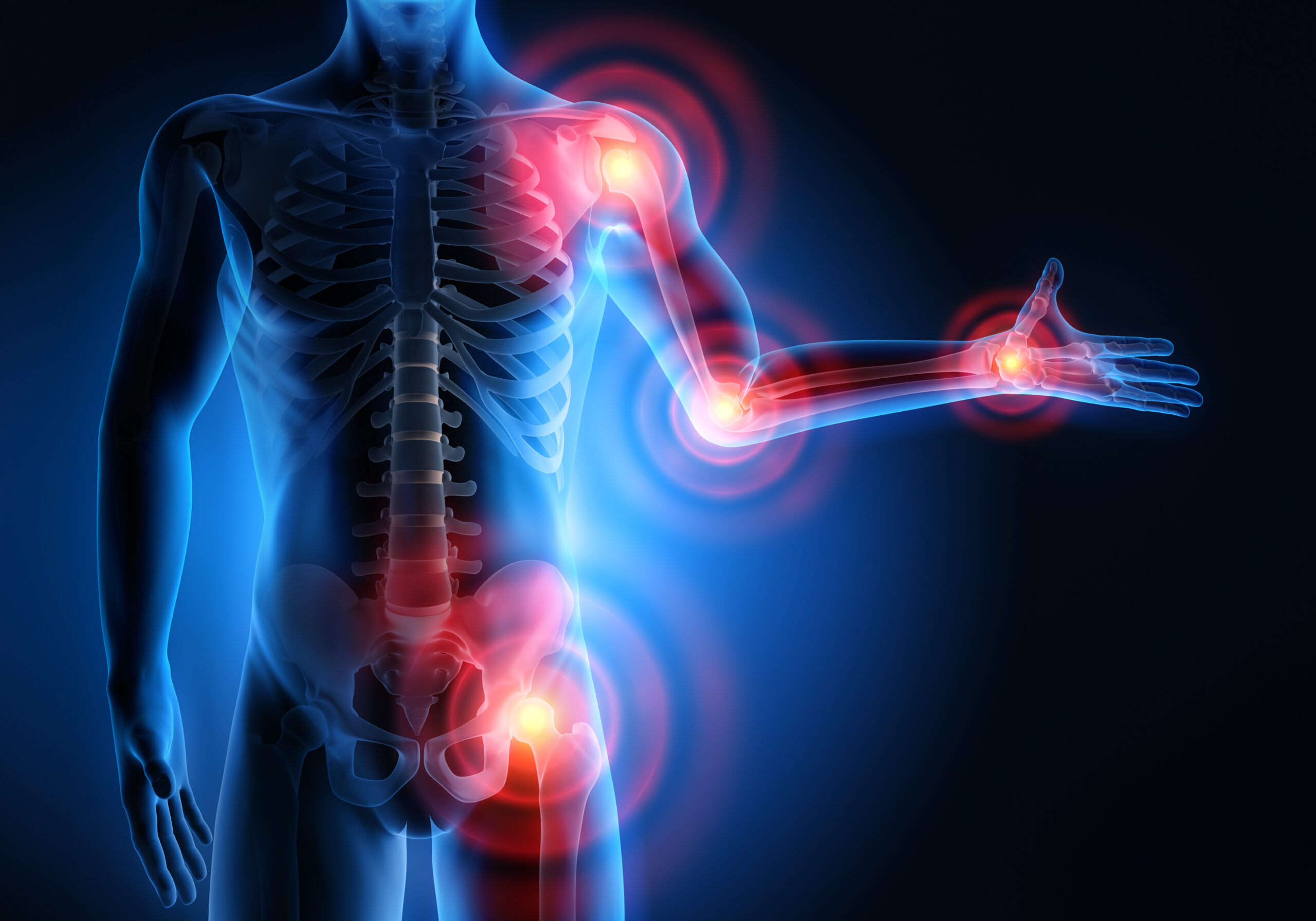
Regeneration Injection Therapy is a highly specialized medical procedure known for its potential benefits in addressing a range of medical conditions and injuries. It is imperative to emphasize that the suitability of this therapy is not a one-size-fits-all solution but rather a tailored approach that hinges on individual factors. Your unique medical history and current health status are pivotal in guiding this assessment.
Moreover, it’s crucial to understand that outcomes can vary significantly from person to person. While many individuals do experience favorable results, it’s important to acknowledge that specific outcomes cannot be guaranteed. The effectiveness of these therapies is influenced by a multitude of factors, including the nature of the underlying condition or injury, your overall health, and your commitment to following the recommended treatment plan.
When ligaments or tendons, the vital connective tissues in your body, become stretched or torn, the joint they hold destabilizes and can become painful. These injuries often occur in areas with limited blood supply, making conventional therapies less effective. However, by introducing a natural agent such as structural tissue products, platelet-rich plasma (PRP), or prolotherapy near the injured site, we can stimulate the body’s innate healing mechanisms. This natural healing environment promotes the growth of new, resilient ligament or tendon fibers in the surrounding tissues. Through a carefully planned series of treatments, your body has the potential to gradually rebuild healthy tissue, restoring its original strength and, as a result, reducing or even eliminating pain altogether.
Prolotherapy
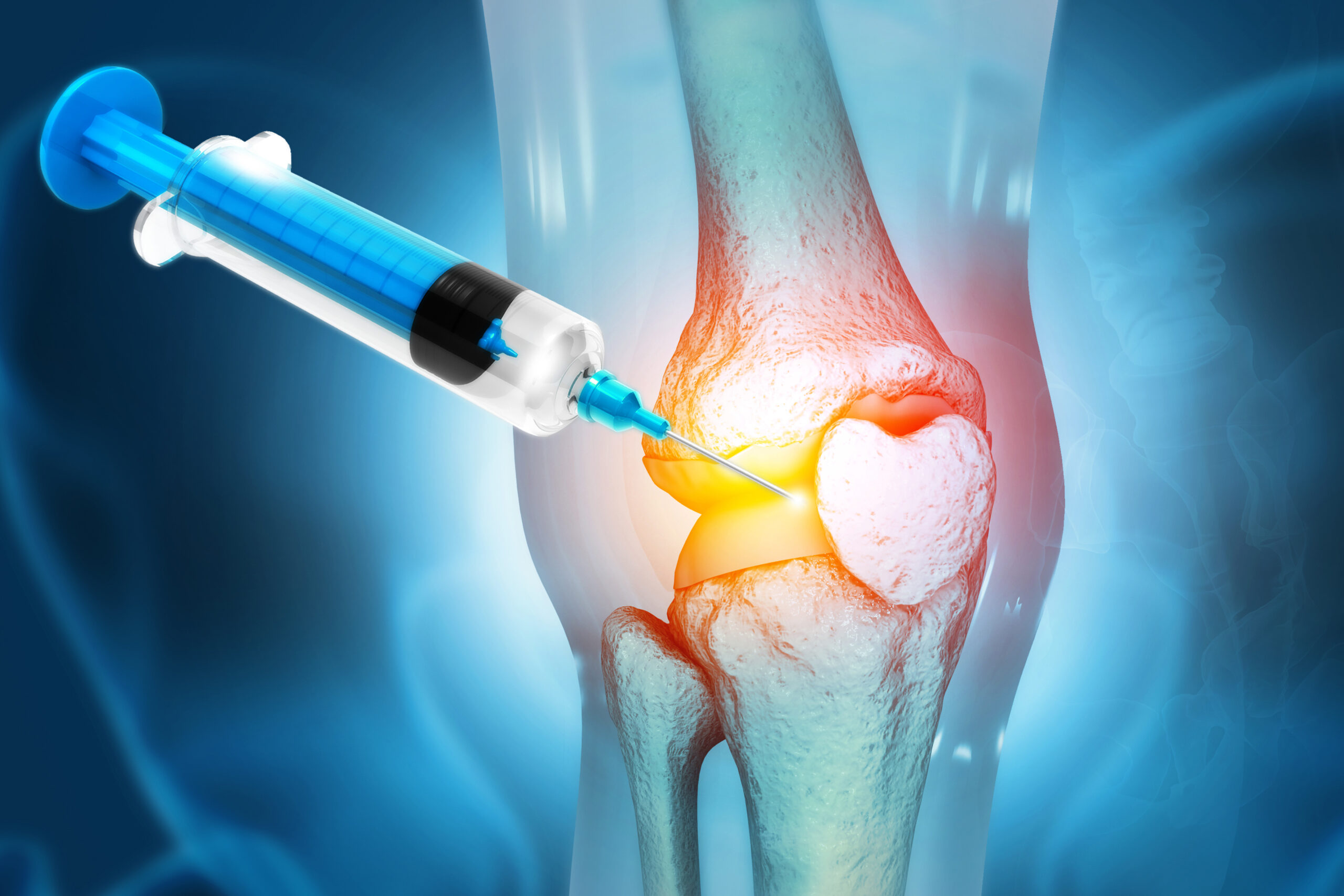
Prolotherapy involves injecting a solution, often containing dextrose and other safe substances, into damaged or weakened ligaments, tendons, and joints. This stimulates a controlled inflammatory response, prompting the body to repair and strengthen the affected tissues. It is a safe and effective method for relieving pain and enhancing joint stability, offering long-term relief from chronic conditions.
Platelet-Rich Plasma (PRP/PRFM)
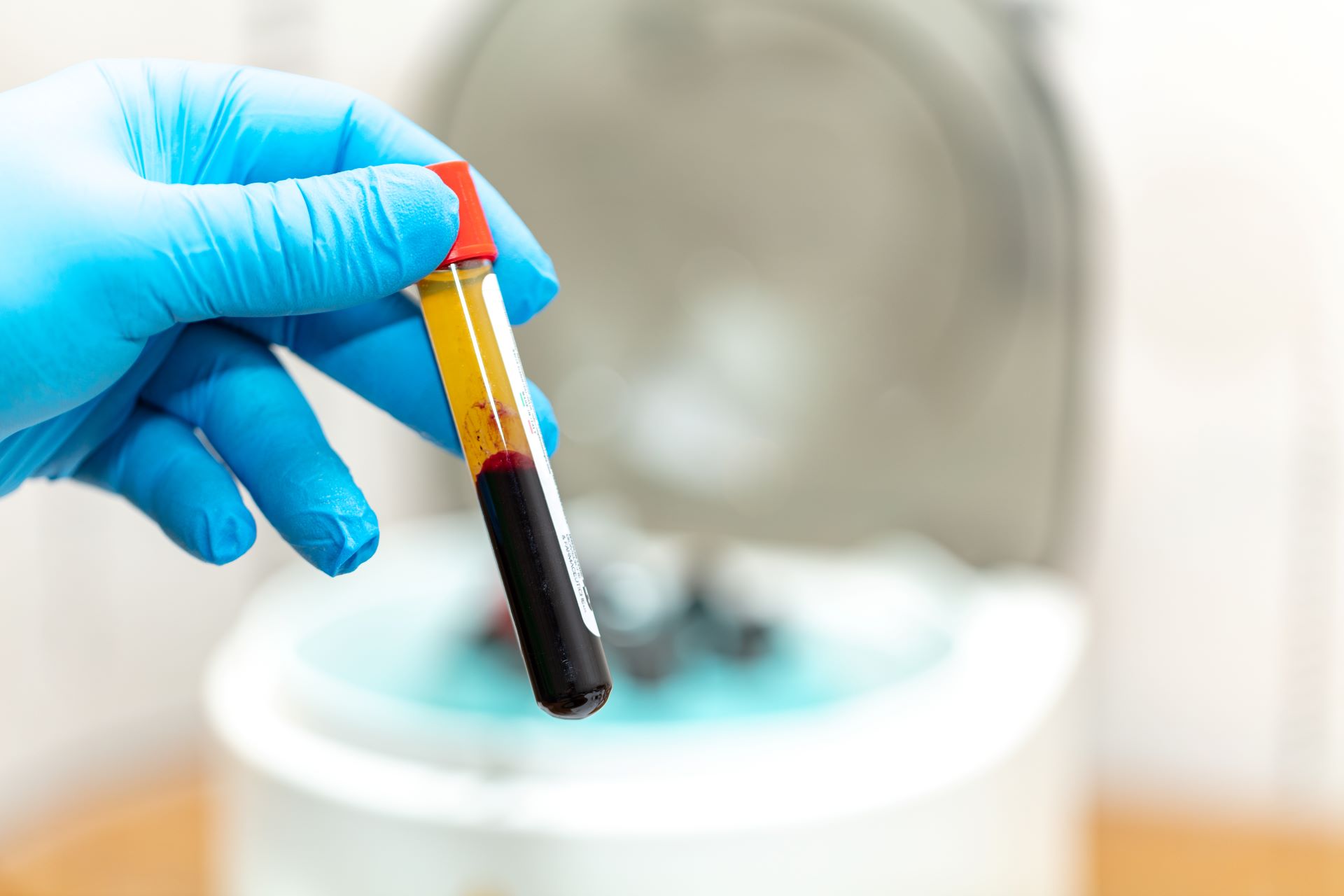
PRP/PRFM therapy utilizes the patient’s own blood. A small sample is drawn and processed to concentrate platelets and growth factors. This concentrated PRP/PRFM is then injected into the injured or painful area, promoting accelerated healing and tissue rejuvenation. It is particularly effective for injuries, osteoarthritis, and chronic musculoskeletal conditions.
Structural Tissue Products
These natural and ethically sourced materials are rich in growth factors, cytokines, and other signaling molecules that can help accelerate the body’s natural healing processes. Their versatility makes them a promising option for addressing various musculoskeletal, neurological, and degenerative conditions, offering patients potential relief and improved quality of life.
My back pain was dire. Previous attempts at solving it were unsuccessful, leaving me incredibly dubious about doctors in general. Turns out Dr. Stoll made his mark by taking in all the patients other docs couldn’t help. This means he has a ton of varied experience. On top of that, he has a creative/open-minded approach to problems and a fantastic bedside manner. He listened to the full history of my problem, and then gave me an extensive physical examination. Lo and behold, he accurately diagnosed the problem, and then gave me some simple treatment options to try. My back is on the mend for the first time in 2 years. I HIGHLY recommend Dr. Stoll.
Ian, patient of MaxWell Clinic
Learn more about Dr. Stoll's experience with Regenerative Injection Therapy:
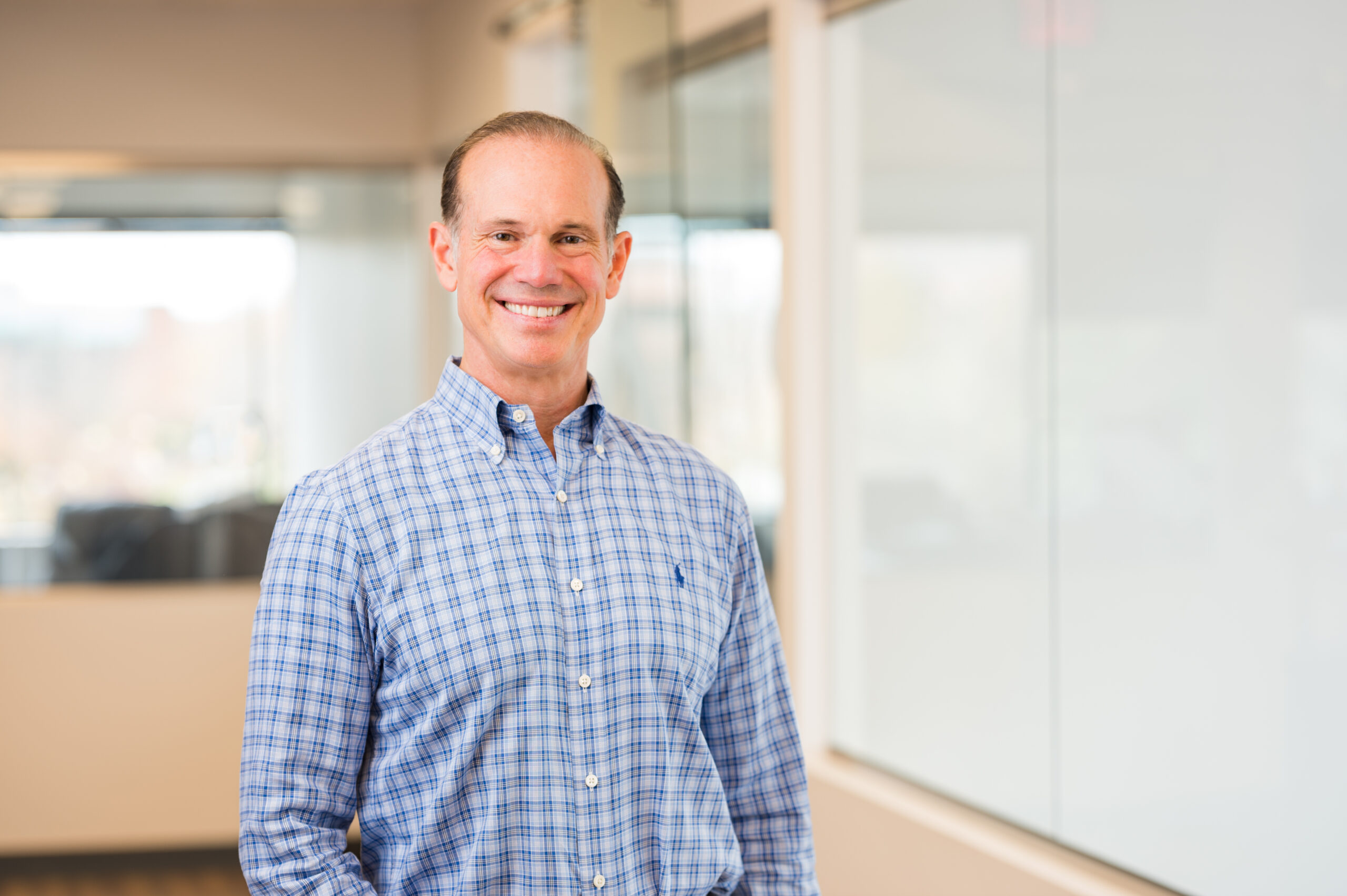
Dr. Scott Stoll is a highly acclaimed board-certified physician, celebrated for his exceptional proficiency in sports medicine and regenerative musculoskeletal treatment. He has earned a prominent international standing in the realm of lifestyle medicine and the promotion of whole food plant-based nutrition.
In addition to his medical expertise, Dr. Stoll brings a unique sporting background to his practice. He was a member of the 1994 Olympic Bobsled team and served as a team physician for the United States Bobsled and Skeleton Team and Lehigh University.
As a trailblazer in the field of regenerative injection therapy, Dr. Stoll has played a pivotal role in pushing the boundaries of our comprehension regarding the body’s remarkable capacity for self-healing and rejuvenation.
Highly Skilled Team: Our experienced medical professionals specialize in regenerative therapies, ensuring you receive the highest level of care.
Natural Healing: Regenerative Injection Therapy promotes your body’s own healing abilities, potentially reducing the need for invasive surgeries and pharmaceuticals.
Cutting-Edge Technology: We utilize state-of-the-art equipment and the latest advancements in regenerative medicine to optimize your results.
Personalized Approach: We tailor each treatment plan to your unique needs, addressing the root causes of your pain or injury.
Long-Term Relief: Experience more relief from pain, improved mobility, and a better quality of life.
Activate the body’s natural healing system to create a local environment that helps to resolve musculoskeletal injuries and arthritis.

Contact MaxWell Clinic
The first step in your journey to wellness is to pick up the phone and give us a call. Our friendly and knowledgeable staff are here to answer your questions, provide information about our services, and assist you in scheduling an initial consultation with Dr. Stoll.

Consultation and Assessment
During your consultation, Dr. Stoll will carefully evaluate your medical history, current condition, and specific needs. This step is crucial to determine if Regenerative Injection Therapy is the right fit for you.

Personalized Treatment Plan
If Regenerative Injection Therapy is recommended as a suitable option for your condition, Dr. Stoll will work closely with you to develop a personalized treatment plan. This plan will outline the number of sessions required, the specific therapies involved (such as Prolotherapy, PRP, or Structural Tissue Products) and the expected timeline for your healing journey.
Fill out the form and receive Dr. Stoll’s free PDF: Unlocking the Secrets of Regenerative Medicine: Your Path to Healing
By submitting your information, you consent to receiving marketing communications from us. You can opt out anytime. We respect your privacy and won’t share your details without consent.
Call us at 615-370-0091 or send us a message and get your questions answered.
What constitutes structural tissue?
Structural tissues encompass those that provide physical support, act as barriers, conduits, or serve in connecting, covering, or cushioning roles. Notable examples of structural tissues comprise bone, skin, amniotic membrane, umbilical cord, blood vessels, and adipose tissue.
How many treatments will I need?
Dr. Stoll will assess your symptoms and develop a treatment plan during your initial consultation. The number of follow up appointments/injections will vary depending on your specific treatment plan, but typically PRP injections require 2-3 visits, Prolotherapy requires 4-6 visits and Structural Tissue Product injections require 1-2 visits.
How much is a consultation with Dr. Stoll?
A Regenerative MSK Consult with Dr. Stoll is $375. The price of injections vary and are an additional charge.
What does PRP stand for?
PRP stands for Platelet-Rich Plasma. PRP is produced by centrifuging a sample of the patient’s own blood to concentrate the platelets, which are cells in the blood that help with clotting and healing. The concentrated platelet-rich plasma can then be injected into injured tissues, where it helps promote healing by releasing growth factors. The procedure is often used to treat musculoskeletal injuries and conditions, such as tendonitis, arthritis, and ligament sprains.