
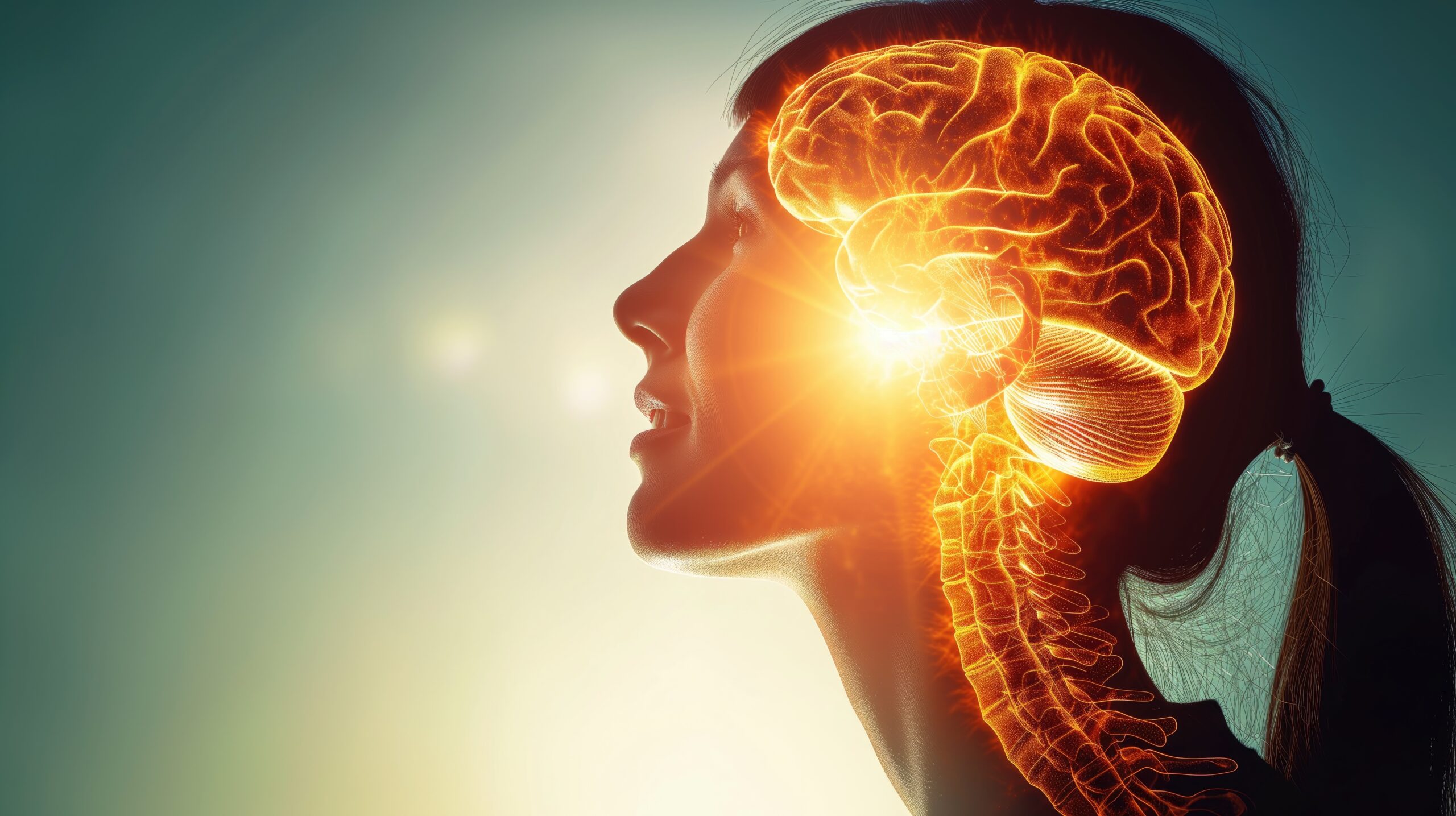
At MaxWell Clinic, we understand that maintaining brain health is paramount to overall well-being. Our brain is the epicenter of our emotions, thoughts, and bodily functions, making its health critical for a fulfilling life. Let’s delve into some innovative and fresh strategies to keep your brain in peak condition.
The Significance of Brain Health
Our brain’s health is not just about preventing cognitive decline but also about enhancing everyday mental performance, emotional resilience, and physical coordination. Prioritizing brain health leads to:
- Enhanced Cognitive Abilities: Improved memory, faster processing speeds, and superior problem-solving skills.
- Emotional Stability: Better mood regulation, stress management, and mental clarity.
- Physical Coordination: Optimized motor skills and overall bodily functions.
Innovative Strategies for Optimal Brain Health
1. Advanced Nutrition
Beyond the basics, certain advanced nutritional strategies can potentially boost brain health:
- Polyphenols: Found in foods like pomegranates, dark chocolate, and green tea, polyphenols have been shown to improve cognitive function and slow brain aging.
- MCTs (Medium-Chain Triglycerides): Present in coconut oil and MCT oil, these fats are quickly metabolized into ketones, providing an alternative energy source for the brain and improving mental clarity.
- Fermented Foods: Kimchi, sauerkraut, and kefir support a healthy gut microbiome, which is closely linked to brain health.
2. Targeted Physical Activity
While general exercise is beneficial, incorporating specific types of physical activity can yield targeted benefits for the brain:
- High-Intensity Interval Training (HIIT): Short bursts of intense exercise can boost brain-derived neurotrophic factor (BDNF), which supports the growth of new brain cells.
- Dance: Engaging in dance combines physical activity with mental challenge, improving coordination and cognitive function.
3. Technological Engagement
Leveraging technology can keep your brain sharp and engaged:
- Brain Training Apps: Apps like Lumosity and BrainHQ offer scientifically designed games that challenge and improve cognitive functions.
- Virtual Reality (VR) Experiences: VR can immerse you in cognitive challenges and physical activities that stimulate multiple areas of the brain simultaneously.
4. Sleep Optimization
Beyond just getting enough sleep, optimizing sleep quality is crucial:
- Blue Light Blocking: Reducing blue light exposure in the evening can improve sleep quality by enhancing melatonin production.
- Sleep Tracking Devices: Wearable technology can provide insights into sleep patterns, helping you make adjustments for better rest.
5. Advanced Stress Reduction Techniques
Exploring new methods to manage stress can have profound effects on brain health:
- Biofeedback: This technique teaches you to control physiological functions by monitoring brain waves, heart rate, and muscle tension, leading to better stress management.
- Forest Bathing (Shinrin-yoku): Spending time in nature, especially in forested areas, has been shown to reduce stress hormones and improve mental well-being.
6. Social Neuroscience
Understanding the social aspects of brain health can lead to more meaningful connections:
- Active Listening: Engaging fully in conversations without distractions can enhance emotional connections and improve cognitive empathy.
- Group Learning Activities: Participating in book clubs, discussion groups, or collaborative learning environments stimulates social and cognitive functions.
7. Regular Health Assessments
Regular health assessments tailored to brain health can provide early detection and intervention:
- QEEG Brain Mapping: This advanced technology provides a detailed map of brain activity, helping to identify areas needing improvement.
- Genetic Testing: Understanding your genetic predispositions can help tailor personalized brain health strategies.
- MaxWell Clinic’s Foundational Cognitive Health Evaluation: If you’re experiencing the early signs of memory loss, dementia, or age-related cognitive decline and seeking answers, our Cognitive Health Evaluation offers an exclusive and extensive set of assessments and lab work that delve deep into your cognitive abilities.
MaxWell Clinic’s Commitment to Brain Health
At MaxWell Clinic, we offer a range of innovative services designed to support and enhance brain health, including:
- Neurofeedback (NFB): This cutting-edge therapy helps optimize brain function by training brain wave patterns.
- Ketamine Therapy: For effective management of treatment-resistant depression and other mental health conditions.
- Cognitive Health Evaluations: Comprehensive assessments to identify cognitive issues and develop personalized intervention plans.
- HOPE (Habitat Optimizing Plasma Exchange): This groundbreaking therapy aims to treat Alzheimer’s, dementia, and cognitive decline by improving the environment in which brain cells live, promoting overall brain health and function.
Our dedicated team of experts is committed to providing personalized care and the latest in brain health advancements. Call or text us today at 615-370-0091 to learn more about how we can help you achieve optimal brain health and enhance your quality of life.
Taking proactive steps to nurture your brain can lead to a healthier, more vibrant life. At MaxWell Clinic, we’re here to support you on your journey to optimal brain health.
References:
- National Institutes of Health. (n.d.). Polyphenols and brain health. Retrieved from NIH
- Mayo Clinic. (n.d.). Benefits of HIIT. Retrieved from Mayo Clinic
- American Psychological Association. (n.d.). Biofeedback and its benefits. Retrieved from APA
Disclaimer:
This blog provides general information and discussions about health and related subjects. The information and other content provided in this blog, website or in any linked materials are not intended and should not be considered, or used as a substitute for, medical advice, diagnosis or treatment. This blog does not constitute the practice of any medical, nursing or other professional health care advice, diagnosis or treatment. We cannot diagnose conditions, provide second opinions or make specific treatment recommendations through this blog or website.
If you or any other person has a medical concern, you should consult with your health care provider or seek other professional medical treatment immediately. Never disregard professional medical advice or delay in seeking it because of something that you have read on this blog, website or in any linked materials. If you are experiencing a medical emergency, please call 911 or call for emergency medical help on the nearest telephone immediately.


