When Your Child Changes Overnight: PANS, PANDAS, and What Plasma Exchange Is Actually Doing
Some of the hardest conversations I have are with parents who’ve been told, for years, that their child’s suffering is a psychiatric problem. A behavior problem. A parenting problem.
They’ve watched their child unravel, not over months, but overnight. Not gradually. Overnight. A child who went to bed normal and woke up different. Sudden, consuming OCD. Screaming about contamination. Unable to leave their parent’s side. Handwriting that looks like a different child’s.
And they’ve been told: more therapy. More medication. More time.
I need to tell you something. What those families are describing is not a psychiatric breakdown. It is the immune system that attacks the brain. It has a name, a mechanism, and, critically, it has treatment options that address the actual source.
That’s what this article is about.
What Is PANDAS Disease, and How Does It Relate to PANS?
PANS (Pediatric Acute-onset Neuropsychiatric Syndrome) is an autoimmune condition in which a triggering infection (strep, mycoplasma, flu, COVID-19, Lyme, and others) provokes an immune response that crosses into the brain.
Is PANDAS Caused by Strep Throat?
PANDAS (Pediatric Autoimmune Neuropsychiatric Disorders Associated with Streptococcal Infections) is the subset of PANS specifically triggered by Group A Streptococcal infection, the same bacteria behind strep throat and scarlet fever.
Both conditions share a defining feature: the onset is sudden and dramatic. Not a slow decline. Not a gradual worsening. Parents consistently describe a child who was fine and then, within 24 to 72 hours, was not.
Is PANDAS a Real Disease?
The disorder was first identified and named by researchers at the National Institutes of Health in the 1990s. It is estimated to affect approximately 1 in 200 children.
The Mechanism: What’s Actually Happening in the Brain

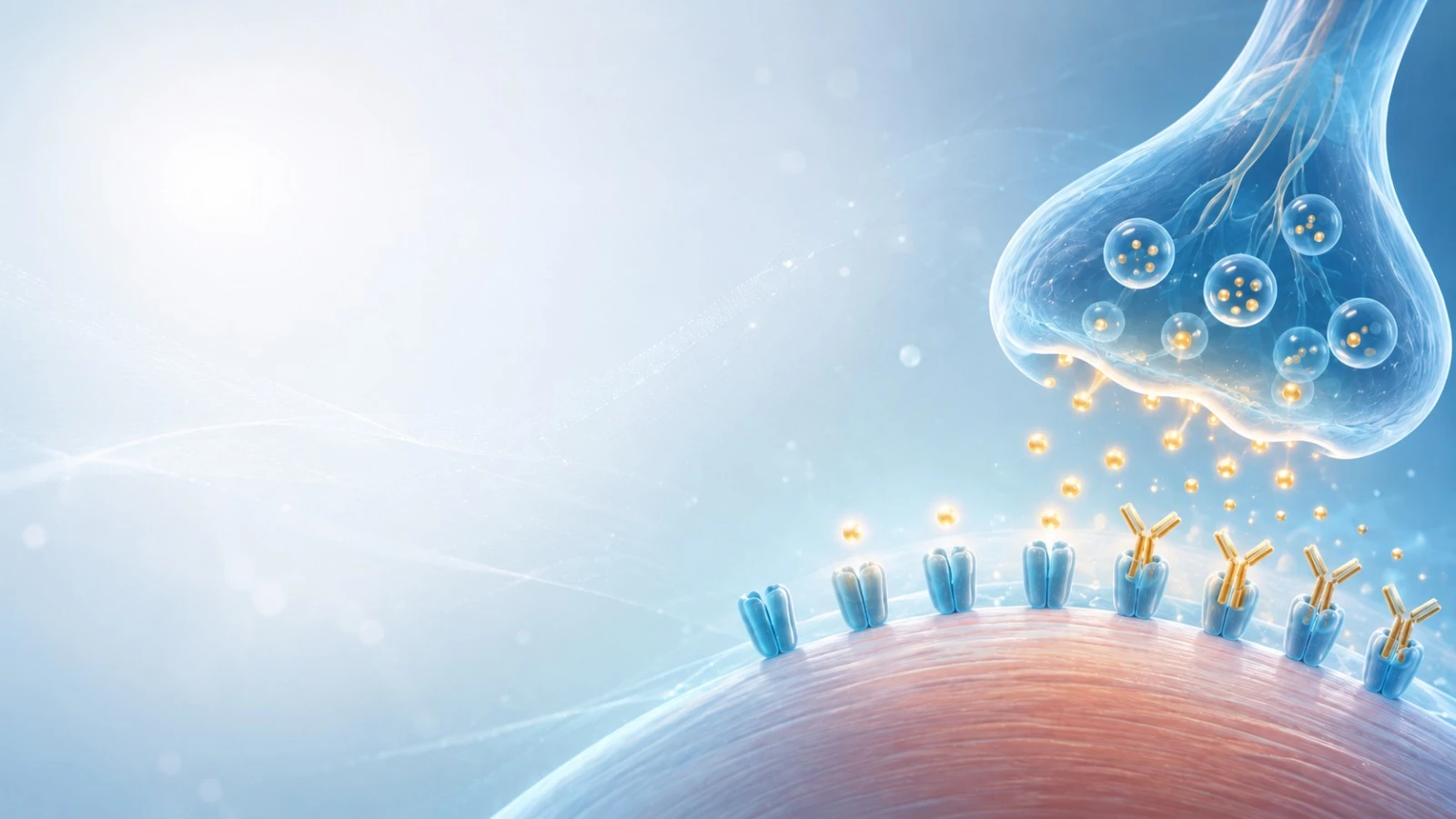
Molecular mimicry: antibodies raised against strep cross-react with proteins in the basal ganglia.
Here’s the science, and it matters.
What Causes PANDAS?
The immune system generates antibodies to fight an infection. In children with PANS and PANDAS, a process called molecular mimicry occurs: the surface proteins of the pathogen (most classically, Group A Strep) share structural similarity with proteins in a region of the brain called the basal ganglia.
The immune system cannot tell the difference. It attacks both.
The basal ganglia is not a peripheral structure. It sits deep in the brain and regulates movement, behavioral inhibition, emotional processing, and executive function. When it becomes the target of an autoimmune attack; when it is inflamed, disrupted, and flooded with misdirected antibodies, the result looks exactly like what these families describe.
What Are the Symptoms of PANDAS and PANS?
Sudden OCD. Extreme separation anxiety. Emotional dysregulation. Personality changes. Handwriting deterioration. Cognitive decline. Sensory sensitivity. Urinary frequency. Night terrors. Tics.
This is not a behavioral diagnosis. This is neuroinflammation. The brain is on fire, and the fire has a biological address.
Understanding that changes everything about how you treat it.
Why So Many Children Wait Years for an Answer

How Long Does It Take to Get a PANDAS Diagnosis?
The average time from PANS/PANDAS onset to correct diagnosis is two to five years. That number should stop us cold.
It happens because conventional medicine is designed to treat problems in isolation. A child arrives with OCD and gets an OCD workup. A child arrives with anxiety and gets anxiety treatment. Nobody is asking whether an infection lit the fuse, whether the immune system is still attacking, whether the brain is under active assault.
SSRIs, which are the standard first-line treatment for OCD and anxiety, often make PANS and PANDAS children worse, producing paradoxical activation, agitation, and behavioral intensification. This is a known phenomenon. It happens because you are treating the symptom while the inflammation continues.
The result is a child who cycles through diagnoses (OCD, ADHD, early-onset bipolar, anxiety disorder, sometimes worse) while the underlying autoimmune process remains unaddressed.
What these children need is not symptom management. They need to have the fire put out.
How PANDAS Is Treated with Plasma Exchange: The H.O.P.E. Pathway

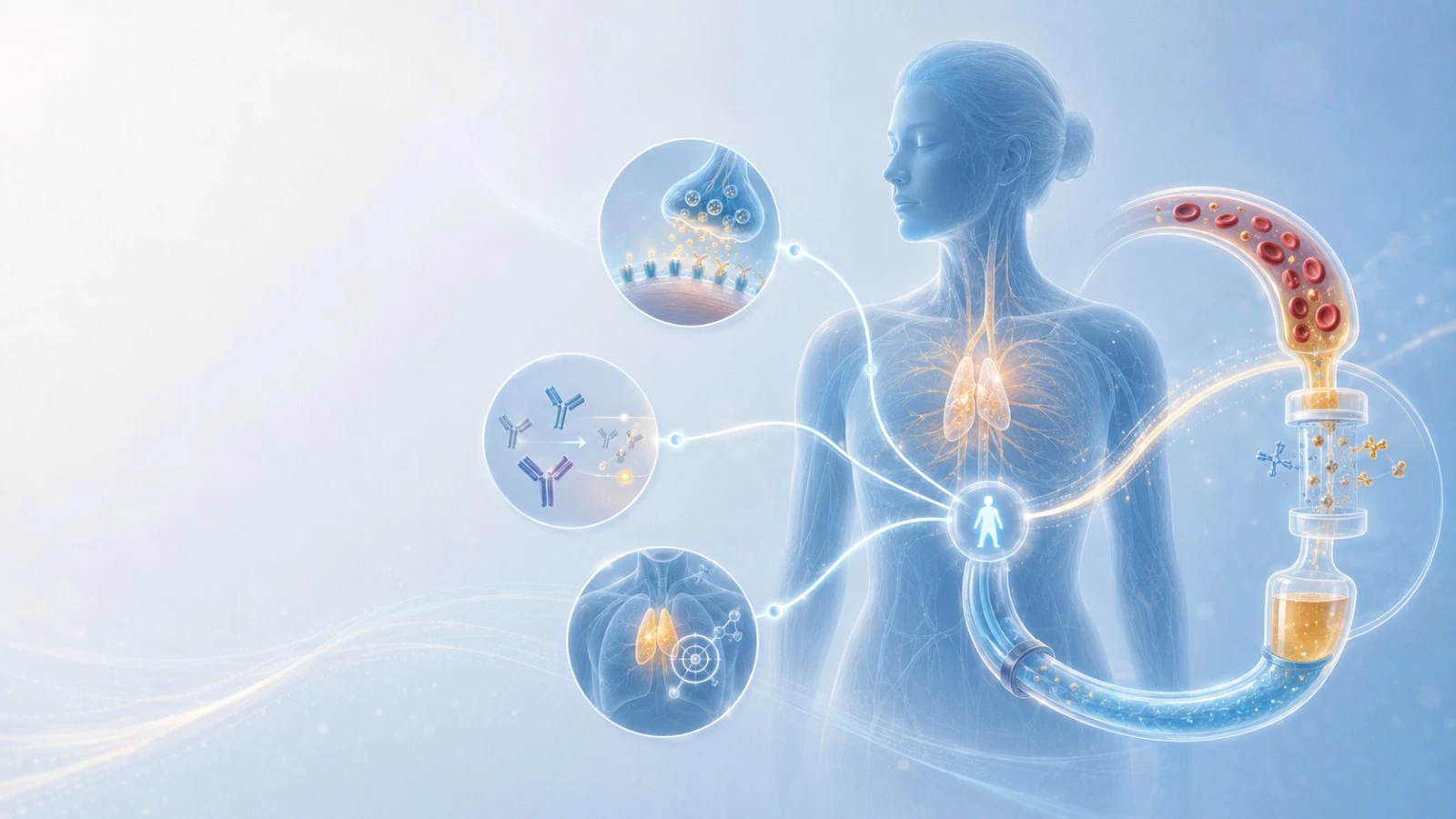
The H.O.P.E. pathway separates and discards antibody-carrying plasma, then returns blood cells in a customized replacement fluid.
If circulating autoantibodies are attacking the basal ganglia, the most direct intervention is removing those antibodies from circulation.
That is the core logic of Habitat Optimizing Plasma Exchange® (H.O.P.E.), MaxWell Clinic’s advanced, patented plasma exchange pathway.
What H.O.P.E. Does
Blood is drawn and routed through a precision apheresis machine. The machine separates plasma, the liquid fraction that carries circulating antibodies, inflammatory proteins, and other harmful factors, from the cellular components of the blood. That plasma is discarded.
The blood cells are then returned to the patient suspended in a customized replacement fluid: pharmaceutical-grade albumin combined with electrolytes, minerals, and antioxidants tailored to the individual patient.
This is where H.O.P.E. differs from standard therapeutic plasma exchange. Standard TPE removes. H.O.P.E. removes and restores, treating the body’s plasma as the “habitat” in which every cell lives. Clean the habitat, enrich the habitat, and the cells have a better environment to heal.
For children with PANS and PANDAS, the implications are specific. The anti-basal ganglia antibodies, the ones mistakenly cross-reacting with brain tissue, are IgG antibodies carried in plasma. H.O.P.E. removes them directly. Families and clinicians frequently describe significant symptom improvement beginning within days of the first exchange. The OCD loosens. The terror softens. The child starts to return.
This is not anecdotal speculation. A landmark double-blind, controlled study funded by the NIH (Perlmutter et al., 1999) found that plasma exchange produced significant symptom reduction in PANDAS patients, results that outpaced placebo by a wide margin. That research was published over 25 years ago. The clinical experience since has built substantially on that foundation.
MaxWell’s Approach: Treating the Whole System
Plasma exchange is powerful. It is also not complete as a standalone intervention.
The autoantibodies will return if the original trigger has not been resolved. The immune dysregulation that allowed molecular mimicry to occur in the first place will continue if its underlying drivers remain unaddressed. This is why the MaxWell approach to PANS and PANDAS is systems-based, meaning we evaluate the entire biological context, not just the presenting symptom.
How Is PANDAS Diagnosed?
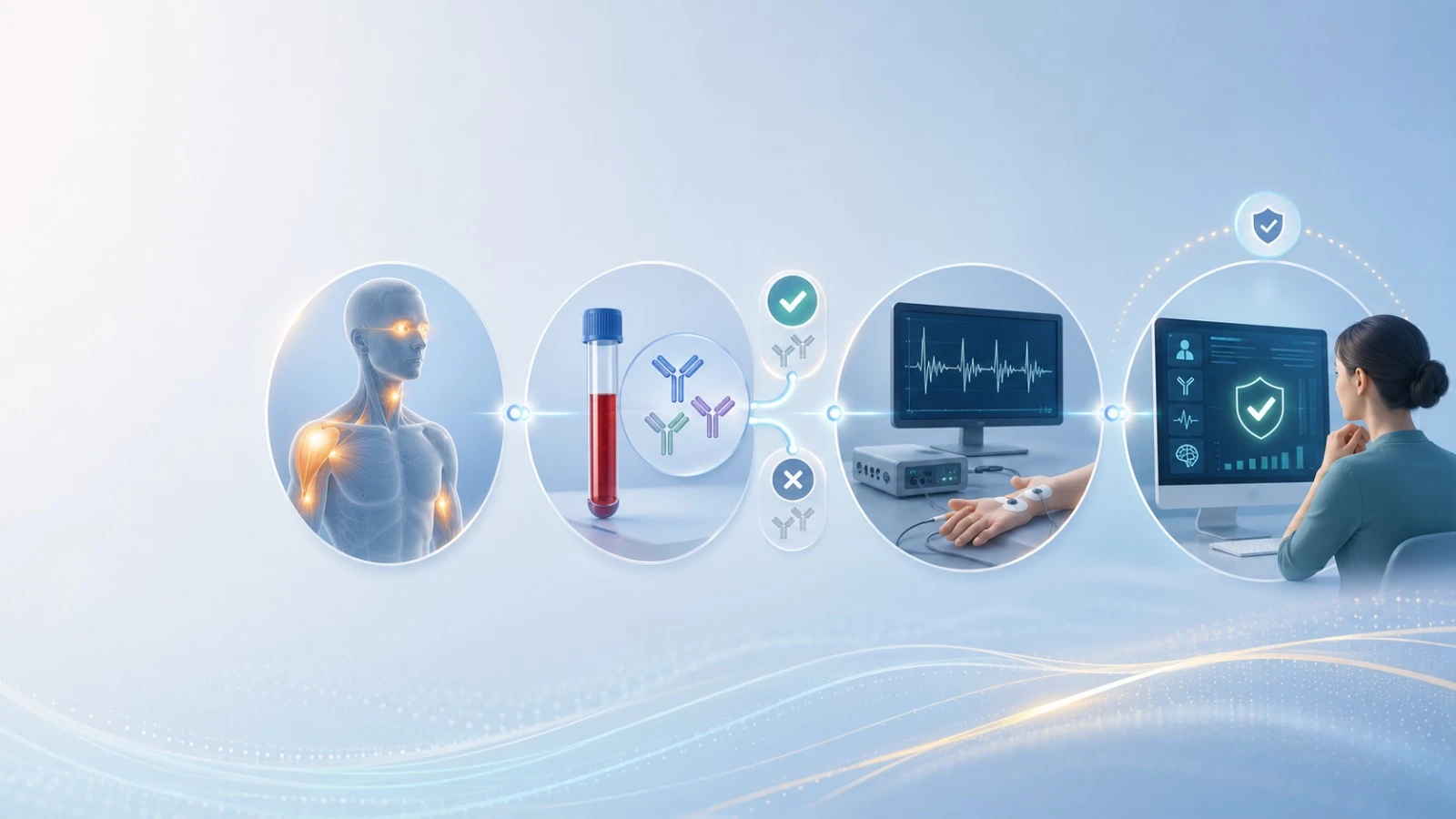
A thorough evaluation at MaxWell includes:
- Infectious workup: not only strep, but mycoplasma, Lyme and co-infections, influenza, COVID antibody response, EBV, and viral triggers that standard pediatric workups often miss
- Immune function and inflammatory markers: CRP, ESR, cytokine panels, anti-streptococcal titers (ASO, anti-DNase B), Cunningham Panel where indicated
- Gut health assessment: emerging research connects gut dysbiosis and intestinal permeability directly to autoimmune amplification; a compromised gut environment can sustain the immune dysregulation driving PANS
- Nutritional and metabolic status: deficiencies in zinc, magnesium, vitamin D, and omega-3 fatty acids each affect immune regulation in measurable ways
- Neurological and cognitive baseline: CNS Vital Signs assessment to document function and track improvement
The H.O.P.E. pathway provides the inflammatory reset. The systems evaluation addresses the terrain that made the reset necessary.
This is harder than prescribing a single medication. It requires holding complexity, following the biology, and refusing to reduce a child’s suffering to a checklist. But it is the approach that gives families a genuine path forward.
A Note to Parents Who Are Reading This
If anything in this article sounds familiar, if the overnight change, the OCD, the child who came back different, that recognition you feel is not paranoia. It is pattern recognition. And it deserves to be taken seriously.
You have not failed your child. You have not missed something obvious. PANS and PANDAS are underdiagnosed in large part because the medical system has not caught up to the science. That is not your fault.
What I can tell you is this: these conditions are diagnosable. The mechanism is real. And children who receive appropriate immunomodulatory care, including, when indicated, the H.O.P.E. pathway, can and do experience meaningful recovery.
We’ve seen it. And it matters more than I can adequately express.
Is H.O.P.E. Right for Your Child?
The H.O.P.E. pathway is not appropriate for every child, and the evaluation process is how we determine fit. The first step is not a procedure; it is a conversation.
If your child has experienced sudden-onset OCD, severe anxiety, behavioral regression, or unexplained psychiatric symptoms, and you want a clinician who will take the autoimmune question seriously, we’d like to talk with you.
Call or text MaxWell Clinic at 615-370-0091, or schedule a consultation.
MaxWell Clinic is located in Brentwood, Tennessee. We serve the Nashville region and work with families traveling from across the country.
Frequently Asked Questions About PANDAS, PANS, and H.O.P.E.
This FAQ section is designed to directly answer common questions.
What is PANS syndrome?
PANS (Pediatric Acute-onset Neuropsychiatric Syndrome) is an autoimmune condition in children in which an infection triggers immune responses that attack the basal ganglia of the brain, causing sudden-onset OCD, severe anxiety, behavioral regression, and other neuropsychiatric symptoms. The hallmark is dramatic, overnight onset, not gradual development.
What is PANDAS in children?
PANDAS (Pediatric Autoimmune Neuropsychiatric Disorders Associated with Streptococcal Infections) is a subset of PANS specifically triggered by Group A Streptococcal infection (strep throat, scarlet fever). The immune system generates antibodies against strep that mistakenly cross-react with basal ganglia tissue, causing neuroinflammation and sudden psychiatric symptoms.
What are the symptoms of PANS and PANDAS?
Core symptoms include sudden-onset OCD, extreme separation anxiety, emotional outbursts and rage, personality changes, behavioral regression (acting much younger), deteriorating handwriting or school performance, tics, sensory sensitivities, sleep disturbances, urinary frequency, and brain fog. Onset is typically within 24-72 hours, not gradual.
Can plasma exchange treat PANS and PANDAS?
Yes. Therapeutic plasma exchange removes the circulating autoantibodies that are attacking basal ganglia tissue. A landmark NIH-funded controlled trial (Perlmutter et al., 1999) found plasma exchange produced significant symptom reduction in PANDAS patients. At MaxWell Clinic, the H.O.P.E. (Habitat Optimizing Plasma Exchange®) pathway is used for appropriate candidates, often producing meaningful symptom improvement within days of the first exchange.
What is Habitat Optimizing Plasma Exchange® (H.O.P.E.)?
H.O.P.E. is MaxWell Clinic’s patented, advanced form of therapeutic plasma exchange. It removes harmful autoantibodies and inflammatory proteins from the blood and returns the blood cells suspended in a customized replacement fluid: pharmaceutical-grade albumin enriched with electrolytes, minerals, and antioxidants. The goal is not just to remove harmful factors but to restore and optimize the cellular environment (the “habitat”) so the body can heal.
Is PANS/PANDAS recognized by the medical community?
PANS and PANDAS are recognized and actively researched by the National Institutes of Health (NIH) and the National Institute of Mental Health (NIMH). They are not yet in the DSM-5 as stand-alone diagnoses. Many pediatricians and psychiatrists remain unaware or skeptical, which contributes to significant diagnostic delay, often two to five years. The scientific foundation is solid; the clinical awareness has not yet caught up.
Where can I find a PANS/PANDAS specialist in Nashville, Tennessee?
MaxWell Clinic in Brentwood, Tennessee offers evaluation and treatment for PANS and PANDAS using an integrative, systems-medicine approach, including the H.O.P.E. plasma exchange pathway. Call or text 615-370-0091 to speak with a patient navigator.
How is PANS different from regular OCD or anxiety?
The clearest differentiator is onset. Standard OCD and anxiety disorders develop gradually over weeks to months. PANS and PANDAS produce symptoms overnight, literally within 24 to 72 hours. The sudden onset, combined with associated neurological signs (handwriting deterioration, urinary frequency, sensory sensitivity), points to an autoimmune mechanism rather than primary psychiatric illness.
What triggers PANS besides strep?
Documented triggers include Group A Streptococcus (strep), Mycoplasma pneumoniae (walking pneumonia), influenza, COVID-19, Epstein-Barr virus (mononucleosis), Lyme disease and co-infections, and varicella. Some cases have non-infectious inflammatory triggers. A thorough infectious workup is part of any proper PANS evaluation.
Does insurance cover H.O.P.E. / plasma exchange for PANS?
H.O.P.E. at MaxWell Clinic is a self-pay pathway. Insurance coverage for plasma exchange in PANS/PANDAS is frequently denied by commercial insurers, even when medically indicated. MaxWell provides transparent, upfront pricing. Contact our team for current pathway pricing.
This article is for educational purposes and does not constitute medical advice. If you believe your child may have PANS or PANDAS, please consult a qualified clinician. MaxWell Clinic does not diagnose conditions through this website.
MaxWell Clinic | Brentwood, Tennessee | 615-370-0091 | maxwellclinic.com