
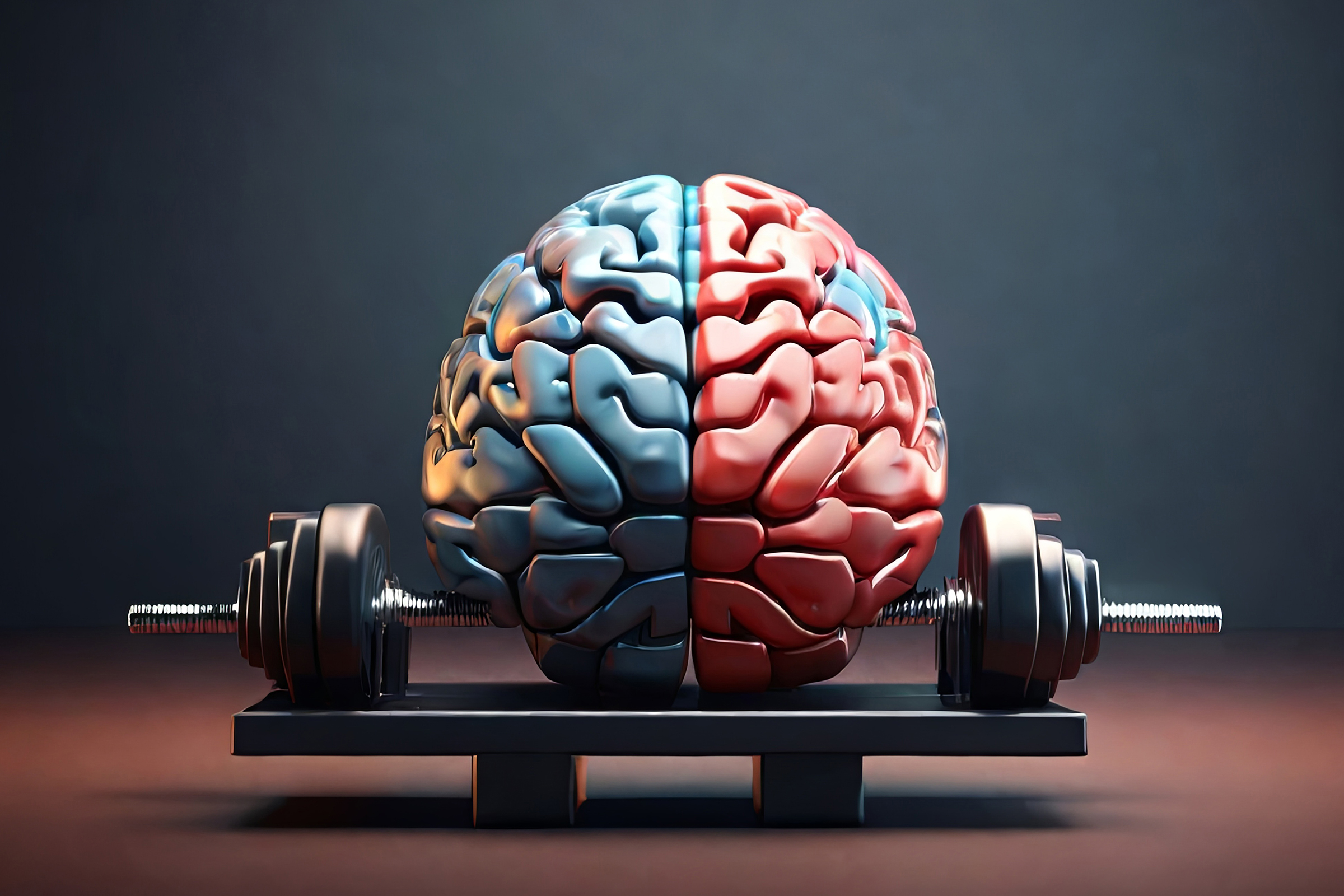
How to improve brain function is a common question when life feels busy and your brain is juggling nonstop demands. Whether you want better focus at work or more mental clarity day to day, brain health plays a big role in how you feel and function. Below are evidence-based, functional medicine strategies you can start using at home to support cognitive function and boost brain health.
1. Nutrition: Feed Your Brain
What you eat has a profound effect on your brain. A diet rich in antioxidants, healthy fats, vitamins, and minerals provides energy and aids in protecting against brain diseases. Here are some key dietary tips to enhance cognitive function:
- Omega-3 Fatty Acids: Found in fish, flaxseeds, and walnuts, omega-3s are essential for brain health and can improve memory and cognitive performance.
- Antioxidants: Berries, dark chocolate, and green tea are rich in antioxidants, which protect the brain from oxidative stress.
- B Vitamins: Foods like leafy greens, eggs, and whole grains are packed with B vitamins, crucial for brain health.
- Avoid Sugar and Processed Foods: High sugar intake can impair cognitive function, so opting for whole, nutrient-dense foods is essential.
2. Regular Exercise: Move for Mental Clarity
Physical activity is not only good for your body but also for your brain. Exercise increases blood flow to the brain, which helps to improve cognitive function. It also stimulates the release of growth factors that are beneficial for brain health.
- Aerobic Exercise: Activities like walking, running, and swimming boost memory and protect against cognitive decline.
- Strength Training: Weight lifting and resistance exercises can improve focus and decision-making skills.
- Mind-Body Exercises: Yoga and tai chi combine physical activity with mental focus, reducing stress and enhancing brain function.
3. Quality Sleep: Recharge Your Brain
Sleep is essential for consolidating memories and repairing the brain. Chronic sleep deprivation can lead to cognitive decline and memory problems.
- Maintain a Sleep Schedule: Go to bed and wake up at the same time every day.
- Create a Restful Environment: Keep your bedroom cool, dark, and quiet to promote better sleep.
- Limit Screen Time: Avoid screens an hour before bed to reduce blue light exposure, which can interfere with sleep.
4. Mental Stimulation: Challenge Your Brain
Keeping your brain engaged is crucial for cognitive health. Mental exercises can enhance memory and improve problem-solving skills.
- Learn New Skills: Engaging in new activities, such as learning a new language or playing a musical instrument, can boost cognitive function.
- Puzzles and Games: Crossword puzzles, Sudoku, Wordle, and brain-training apps are fun ways to challenge your mind.
- Reading: Regular reading keeps your brain active and improves cognitive reserves.
5. Stress Management: Calm Your Mind
Chronic stress can take a toll on your brain, impairing cognitive function and memory. Managing stress is vital for maintaining brain health.
- Mindfulness Meditation: Practicing mindfulness can reduce stress and improve focus and memory.
- Breathing Exercises: Simple breathing exercises can calm your mind and enhance cognitive function.
- Social Connections: Spending time with friends and family can lower stress levels and boost brain health.
6. Hydration: Drink Up
Dehydration can negatively impact cognitive function. Ensuring you drink enough water daily is a simple yet effective way to support brain health.
- Aim for 8 Glasses a Day: Drinking water throughout the day keeps your brain hydrated and functioning optimally.
- Limit Caffeine and Alcohol: These can lead to dehydration, so consume them in moderation.
Habitat Optimizing Plasma Exchange (HOPE): A Revolutionary Treatment
While these lifestyle changes can significantly enhance cognitive function, there are advanced medical treatments available for those seeking additional support. One such groundbreaking treatment is Habitat Optimizing Plasma Exchange® (H.O.P.E.).
HOPE is an innovative procedure offered at MaxWell Clinic that involves removing harmful substances from the blood and replacing them with beneficial components. This process has shown promise in improving cognitive function, particularly in individuals with Alzheimer’s, dementia, and other cognitive disorders.
By combining these natural, at-home strategies with cutting-edge treatments like HOPE, you can potentially optimize your cognitive health and maintain peak brain performance.
At MaxWell Clinic, we focus on comprehensive care that looks at both the root causes and symptoms of cognitive decline. If you’re ready to learn more about HOPE and your next steps, call or text our Patient Navigators at 615-370-0091 today. Ask how to improve brain function at home and when to get personalized support.
This blog provides general information and discussions about health and related subjects. The information and other content provided in this blog, website or in any linked materials are not intended and should not be considered, or used as a substitute for, medical advice, diagnosis or treatment. This blog does not constitute the practice of any medical, nursing or other professional health care advice, diagnosis or treatment. We cannot diagnose conditions, provide second opinions or make specific treatment recommendations through this blog or website.
If you or any other person has a medical concern, you should consult with your health care provider or seek other professional medical treatment immediately. Never disregard professional medical advice or delay in seeking it because of something that you have read on this blog, website or in any linked materials. If you are experiencing a medical emergency, please call 911 or call for emergency medical help on the nearest telephone immediately.


